June Beekeeping in Ontario:
Clover Flow, Honey Supers & Hive Management
📋 In This Article
- June Beekeeping Ontario — What’s Happening in the Hive
- Ontario Clover Honey Flow — Timing and Maximizing Your Harvest
- Ontario Wildflower Nectar Flow — What’s Blooming in June
- Honey Supers Management Ontario — Adding and Monitoring
- Adding Honey Supers Timing — The June Rules
- Queen Cell Inspection June Ontario — Last Swarm Window
- Small Hive Beetle Control Ontario — Critical in Southern Ontario
- Beekeeping Humidity Control Ontario — Managing Summer Moisture
- June Beekeeping Checklist Ontario
- FAQ — June Beekeeping Ontario Questions & Answers
June beekeeping in Ontario is the most productive and the most demanding month of the year. The clover and wildflower nectar flows are filling supers, swarm season is at its peak in early June, small hive beetle pressure is building in southern Ontario, and the humidity of an Ontario summer begins creating ventilation challenges. Managing all of these simultaneously is what separates successful Ontario beekeepers from those who miss the harvest window.
June Beekeeping Ontario — What’s Happening in the Hive
June in Ontario represents the biological peak of the honeybee colony’s annual cycle. Population typically reaches its maximum of 40,000-60,000 bees in early June. The queen is laying at her highest rate — up to 2,000 eggs per day — and foragers are working every available daylight hour collecting nectar and pollen from the Ontario clover and wildflower flows.
Ontario Clover Honey Flow — Timing and Maximizing Your Harvest
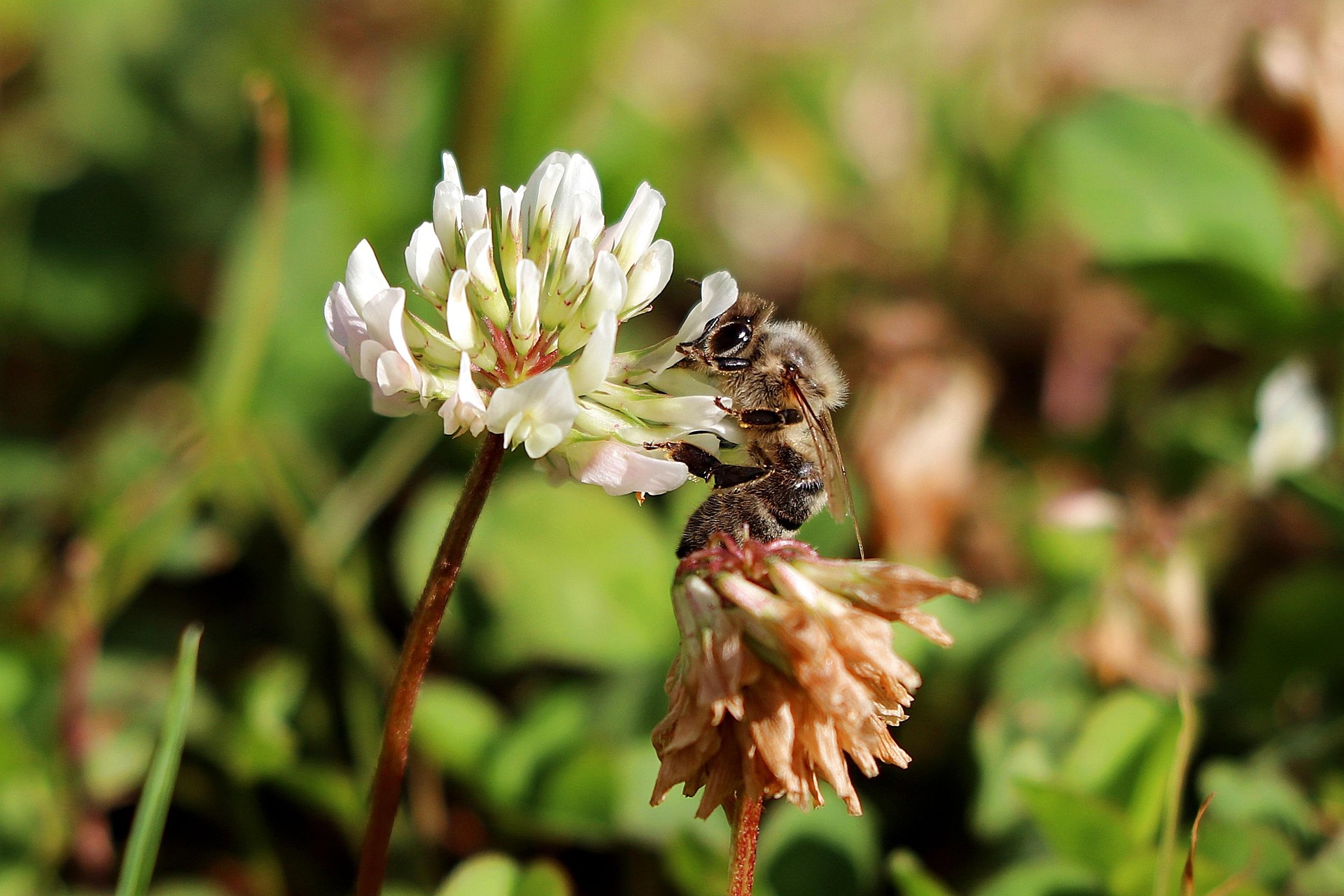
The Ontario clover honey flow is the most significant nectar event in the provincial beekeeping calendar — the primary source of the classic mild, light-coloured clover honey that Ontario beekeepers harvest each August. Understanding when the flow starts and peaks in your specific region of Ontario allows you to time honey supers management perfectly.
Maximizing Your Ontario Clover Honey Harvest
To maximize your Ontario clover honey harvest, supers must be on the hive before the flow peaks — not added reactively when you notice bees are running out of space. A colony without super space during the Ontario clover honey flow will fill the brood boxes with honey, cramping the queen and triggering swarming exactly when every bee should be collecting nectar. Add supers proactively and have extras ready.
Ontario Wildflower Nectar Flow — What’s Blooming in June
Alongside the clover honey flow, the Ontario wildflower nectar flow contributes diverse and complex flavours to June honey. Ontario’s wildflower diversity means June honey can vary dramatically by location — urban and suburban Ontario beekeepers near parks and gardens often produce richer, more complex wildflower honey than rural beekeepers surrounded by monoculture fields.
The Ontario Basswood/Linden Flow — A Hidden Opportunity
The basswood (linden) nectar flow in late June is one of Ontario’s most productive and most overlooked honey sources. Basswood trees bloom for approximately 2-3 weeks in late June, producing a distinctive, mildly minty honey that is highly prized by consumers. Beekeepers near basswood stands in southern Ontario can see supers fill extraordinarily quickly during this flow. If you have basswood trees near your apiary, ensure you have adequate super space ready by mid-June.
Honey Supers Management Ontario — Adding and Monitoring in June
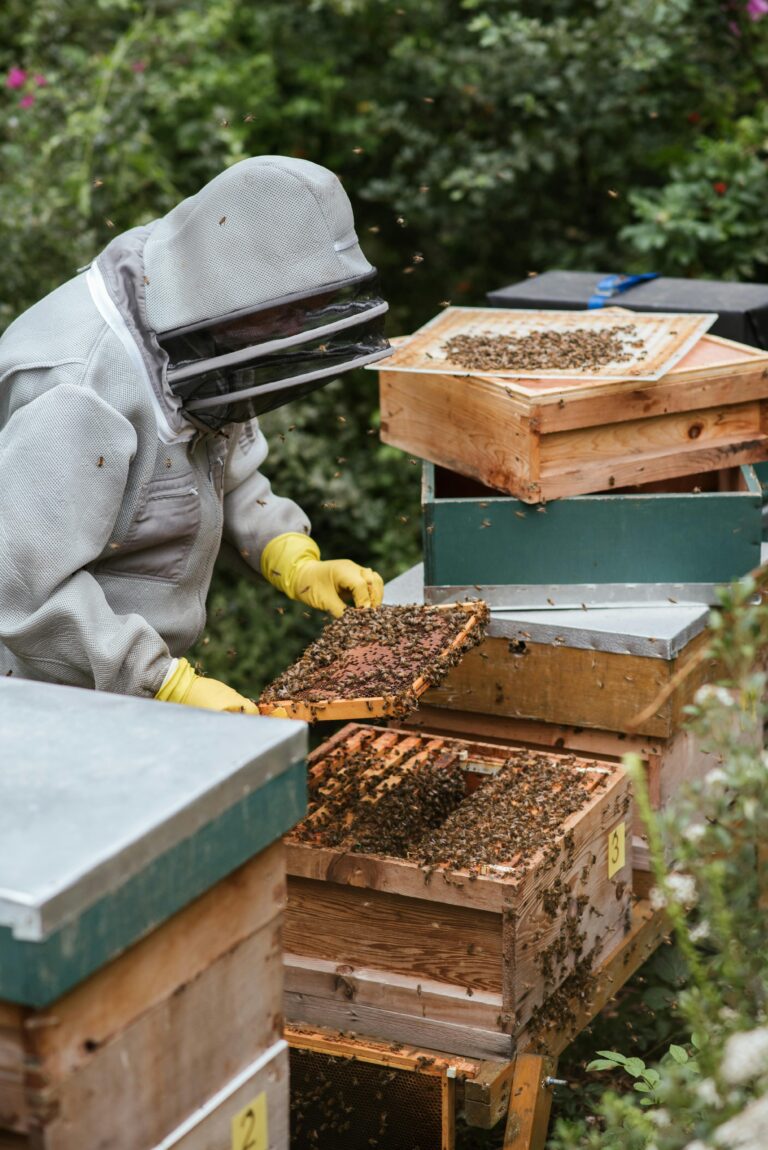
Honey supers management in Ontario in June is an active, weekly task — not a set-and-forget operation. The combination of peak colony population and the beginning of the clover and wildflower flows means supers can fill in as little as 1-2 weeks during strong flow periods. Weekly monitoring and proactive super addition is the difference between a full harvest and missed production.
Adding Honey Supers Timing — The June Rules for Ontario
Adding honey supers timing in Ontario in June requires understanding both colony readiness and flow status simultaneously. The rules for adding honey supers timing differ slightly between early June (transition period) and late June (peak flow).
In early June, adding honey supers timing is governed by the 7-frame rule: add your first super only when bees cover 7 of 10 frames in the brood box. Colonies that were borderline (5-6 frames) in May may have reached this threshold by early June as the population peaked. Do not add supers too soon — early June Ontario weather can still have cool nights and an undersized colony forced to heat excess super space slows its own buildup.
Ensure Apivar strips installed in April have been removed for at least 2 weeks before any honey super is added. This is the most common timing mistake Ontario beekeepers make in June.
During the peak Ontario clover honey flow in late June, the correct timing for adding additional honey supers is when the current super is 70% full — approximately 7 of 10 frames with capped or partially capped honey. This is proactive rather than reactive management. At peak flow, a colony with 50,000+ bees can fill a medium honey super in 7-10 days.
Place new supers below existing ones — directly above the queen excluder. This is called “bottom supering” and encourages bees to fill the fresh empty super while continuing to cap honey in the upper super. Top supering (adding new supers on top) often results in bees ignoring the new box entirely and filling the brood area instead.
WiseBee Tip: Pre-Draw Foundation Before Peak Flow
Bees filling a super with new foundation must first produce beeswax to draw the comb — energy that could otherwise go into honey. If you have drawn comb from previous seasons, use it for your first June super. Bees move into drawn comb immediately without the wax production overhead — maximizing honey production during the short but intense Ontario clover and wildflower flows.
Queen Cell Inspection June Ontario — Last Swarm Window
Queen cell inspection in June Ontario is one of the most time-critical management tasks of the entire year. Early June represents the tail end of swarm season — colonies that didn’t swarm in May may still have active swarm preparations underway, and new swarm cells can be raised rapidly when the colony population peaks in early June.
What to Do When You Find Queen Cells in June
Finding queen cells during a June inspection requires immediate action. Do not simply remove queen cells — this delays swarming by only a few days without addressing the underlying cause. The correct response is to make a split: move the original queen and 3-4 frames of brood, bees, and food to a new box. Leave the original hive with frames containing the best queen cell. This prevents the swarm and gives you a second colony — though a June split in Ontario will need aggressive feeding to build adequate winter stores before September.
June Splits — Manage Winter Store Risk
A colony split in June Ontario has approximately 10-12 weeks to build winter stores before autumn feeding must begin. This is a tight timeline — June splits require more aggressive autumn feeding than splits made in May. Monitor split colonies closely in August and September and supplement feeding as needed to ensure both halves have adequate stores for a Canadian winter.
Small Hive Beetle Control Ontario — Critical in Southern Ontario
Small hive beetle control in Ontario becomes critically important from June onwards — particularly in southern Ontario where warmer temperatures allow the beetle to complete its full life cycle in local soils. June marks the beginning of peak small hive beetle season in Ontario, and proactive management at this stage prevents the infestations that can destroy colonies by August.
Installing Small Hive Beetle Traps in June
Install small hive beetle oil traps in all southern Ontario hives by the first week of June — before beetle populations build in warm weather. Metal bottom board oil traps are the most effective option, drowning beetles that fall through or are chased off frames. Between-frame traps provide supplemental capture in the brood area. Check and refill traps with fresh vegetable oil every 2-3 weeks.
Colony Strength as Small Hive Beetle Control
The most effective small hive beetle control in Ontario is maintaining strong colonies. A June colony with 50,000+ bees can effectively police adult beetles — chasing them into corners where they become immobilized with propolis. Weak colonies cannot defend their perimeter. Any June colony covering fewer than 7 frames in Ontario should be considered at elevated SHB risk — combine with a stronger colony or boost with a frame of emerging brood from a healthy hive.
For a complete guide to small hive beetle identification, treatment, and the Ontario legal requirements around SHB infestations, see our dedicated Small Hive Beetle Control Ontario guide →
Beekeeping Humidity Control Ontario — Managing Summer Moisture
Beekeeping humidity control in Ontario is a June through August management priority that many beekeepers overlook until it causes visible problems. Ontario’s Great Lakes-influenced climate creates persistently humid summer conditions — particularly in southern Ontario — that directly affect hive health, honey quality, and the colony’s ability to process incoming nectar efficiently.
Practical Humidity Control Strategies for Ontario June Beekeeping
Upper entrance ventilation: Ensure your inner cover has a notch or small upper entrance open during June and July. Upper entrances allow warm, moist air from the hive to escape and give foragers an additional entry point during peak nectar flow — reducing entrance congestion during the clover and wildflower flows.
Screened bottom boards: A screened bottom board allows moisture-laden air to exit from the bottom of the hive and improves airflow through the colony in summer. This is particularly valuable in humid southern Ontario locations and also functions as a Varroa monitoring tool when used with sticky boards.
Avoid dense shading: Hives in dense shade maintain higher internal humidity than sun-exposed hives. If your apiary has hives under significant tree cover, consider whether some could be repositioned for more morning sun exposure — even partial morning sun significantly reduces internal hive humidity.
Monitor honey moisture: During humid June and July conditions, use a honey refractometer to check honey moisture before harvesting any super frames. High ambient humidity can slow the evaporation process and result in honey above the 18.6% moisture threshold. Only harvest frames that are 80%+ capped — the capping is your confirmation that bees have reduced moisture to a safe level regardless of external conditions.
WiseBee Tip: Fan Hive Entrance Check for Humidity
When bees are standing at the hive entrance fanning vigorously — creating airflow through the entrance — it means the internal temperature or humidity is too high. This is normal during nectar processing but if it persists throughout the day even when temperatures are moderate, it indicates humidity management problems. Check that upper ventilation is adequate and consider whether the hive location is contributing to excess moisture buildup.
June Beekeeping Checklist Ontario — Complete
✅ Week 1 — Early June
- Queen cell inspection — check all brood frames for swarm cells
- Add first honey super if bees cover 7+ frames and Apivar removed 2+ weeks ago
- Install small hive beetle oil traps — southern Ontario priority
- Ensure upper entrance ventilation is open — humidity control starts now
- Record colony population and brood area in inspection log
- Continue feeding only if colony is light — stop once clover flow begins
✅ Week 2-3 — Mid June (Peak Clover Flow)
- Check honey super fill level — add new super when 70% full
- Place new supers below existing ones (bottom supering)
- Weekly queen cell inspection — last swarm window of the season
- Make splits from any colony with swarm cells — June splits still viable
- Check SHB trap oil levels — refill if needed
- Monitor for basswood/linden flow in your area — peak late June
- Check screened bottom board for Varroa drop — monthly count
✅ Week 4 — Late June
- Assess super fill rate — are bees keeping pace with the flow?
- Check for signs of flow slowing (more defensive bees, robbing attempts)
- Inspect brood for chalkbrood or EFB — humidity-related diseases peak in June
- Prepare for July harvest — assemble extractor, check jars and lids
- Plan Varroa monitoring for late July — treat after August harvest
- Record any queen cell findings or splits made in June in hive log
FAQ — June Beekeeping Ontario Questions & Answers
The Ontario clover honey flow begins in early June in southern Ontario (Windsor, Toronto, Niagara area) and mid-June in central and northern Ontario. It peaks in late June to early July and typically ends by late July. The total window is approximately 6-8 weeks. White clover blooms first, followed by red clover and sweet clover. Basswood/linden adds a short but intense flow in late June in areas with significant tree populations.
During the Ontario clover honey flow in June, check honey supers every 7 days and add a new super when the current one is 70% full. During a strong flow period, a large Ontario colony can fill a medium honey super in 7-10 days. Place new supers directly above the queen excluder below existing partially filled supers — this bottom supering technique encourages bees to fill new space from the bottom up. Have at least 2-3 supers per hive assembled and ready before the flow peaks.
Small hive beetle is a growing concern in Ontario, particularly in southern Ontario (below the 44th parallel) where warmer temperatures allow the beetle to complete its full life cycle in local soil. June marks the beginning of active SHB season. Strong colonies can police adult beetles effectively — but weak colonies, unattended stored supers, and warm extraction rooms with uncapped frames are serious SHB risk situations in Ontario June through September. Install oil traps in all southern Ontario hives by early June and ensure colonies are strong enough to patrol all frame space.
Beekeeping humidity control in Ontario in June involves three main strategies: ensure upper entrance ventilation is open (notch in inner cover or top entrance), use a screened bottom board to allow airflow through the colony, and position hives in locations with some direct morning sun rather than deep shade. High humidity in Ontario summer slows nectar evaporation and can result in honey with moisture content above 18.6% — use a refractometer to check moisture before harvesting any super. Also monitor for chalkbrood (chalky white mummified larvae) which is a humidity-related fungal disease that appears more frequently in damp June conditions.
Yes — continue weekly queen cell inspections through at least June 15th in southern Ontario and June 20th in central Ontario. Early June sees the tail end of swarm season and colony populations typically peak in early June — creating maximum swarm pressure in the first two weeks of the month. Finding capped queen cells in June means swarming is imminent within 1-3 days. Make a split immediately rather than removing cells — this prevents the swarm and gives you a second colony while retaining all your bees. By late June, swarm pressure decreases significantly.
Final Thoughts on June Beekeeping in Ontario
June is the payoff month for all the work done in March, April, and May. The Ontario clover and wildflower nectar flows reward beekeepers who have strong, well-managed colonies, adequate honey supers in place, and active weekly inspection habits. Stay on top of queen cell inspections through mid-June, manage small hive beetle pressure in southern Ontario proactively, and keep your honey supers ahead of the colony’s fill rate.
The decisions you make in June — how many supers you add, how you handle swarm cells, how well you manage humidity and pest pressure — determine your honey harvest in July and August and your colony’s strength going into the most critical management period of the year. June beekeeping in Ontario is worth every hour of attention you give it. 🐝☀️🍯
Questions about your June Ontario hive? 🐝
Ask our AI beekeeping assistant — describe what you’re seeing in your colony and get personalized advice for June beekeeping in Ontario.
🐝 Ask Bee Now — It’s Free🐝 WiseBee Disclosure
Affiliate Disclosure: This article contains Amazon affiliate links. If you purchase through our links, we earn a small commission at no extra cost to you. Learn more →
Disclaimer: This article is for educational purposes only and does not constitute professional apicultural or veterinary advice. Always consult a qualified beekeeper for guidance specific to your situation. Full disclaimer →