Harvesting Canola Honey in Alberta:
Complete Guide to Timing and Extraction
📋 In This Article
- When Is the Best Time for Harvesting Canola Honey?
- Essential Equipment for Harvesting Canola Honey in the Prairies
- Step-by-Step Guide to Harvesting Canola Honey Before It Crystallizes
- Tips for Storing and Settling Your Alberta Canola Harvest
- Understanding Canola Honey Crystallization — What’s Normal
- FAQ — Harvesting Canola Honey Alberta Questions & Answers
- Essential Extraction Equipment on Amazon Canada
Harvesting canola honey in Alberta is uniquely challenging — and uniquely rewarding. Alberta produces approximately 40% of Canada’s honey, and canola is the province’s dominant nectar crop. But canola honey crystallizes faster than almost any other honey in the world, which means Alberta beekeepers have a narrow and unforgiving harvest window. This guide tells you exactly when to harvest, how to extract before crystallization begins in the comb, and how to store your canola honey to preserve its quality.
When Is the Best Time for Harvesting Canola Honey?
The best time for harvesting canola honey in Alberta is not determined by the calendar — it is determined by two variable conditions: the moisture content of the honey in your supers and the rate at which canola flowers are dropping in your area. Missing either of these signals by even a week can mean the difference between perfectly liquid honey and frames locked solid with crystallized comb.
The Canola Flow Timeline in Alberta
The Humidity Factor — Why Alberta Canola Honey Timing Is Complex
Alberta’s prairie climate creates significant year-to-year variation in canola honey harvest timing. In a dry, hot July — common across much of Alberta — bees evaporate nectar moisture very quickly and honey can reach capping moisture levels within days of collection. In a humid, cool July, the same process takes much longer. This means the 80% capping rule is a necessary but not always sufficient trigger for harvesting canola honey in Alberta — always confirm with a refractometer before extracting.
WiseBee Tip: Watch the Canola Fields, Not the Calendar
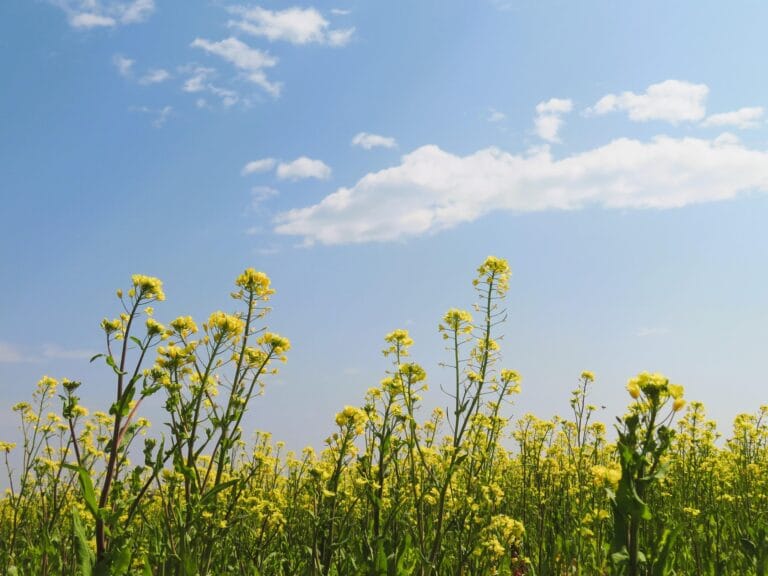
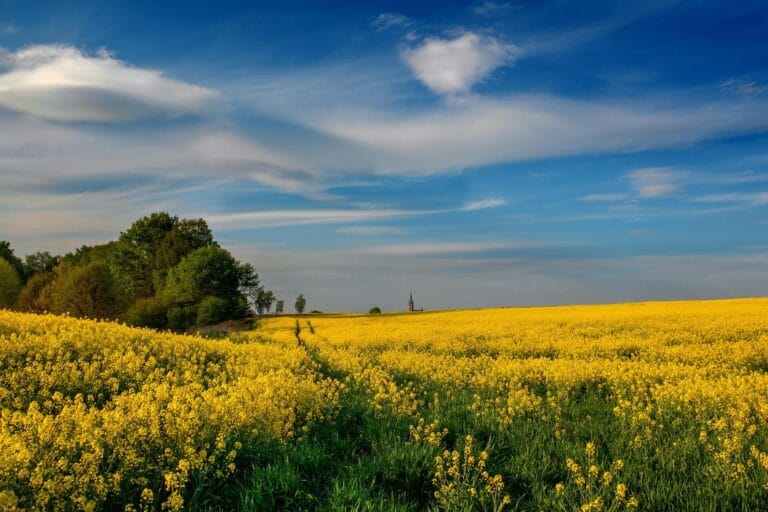
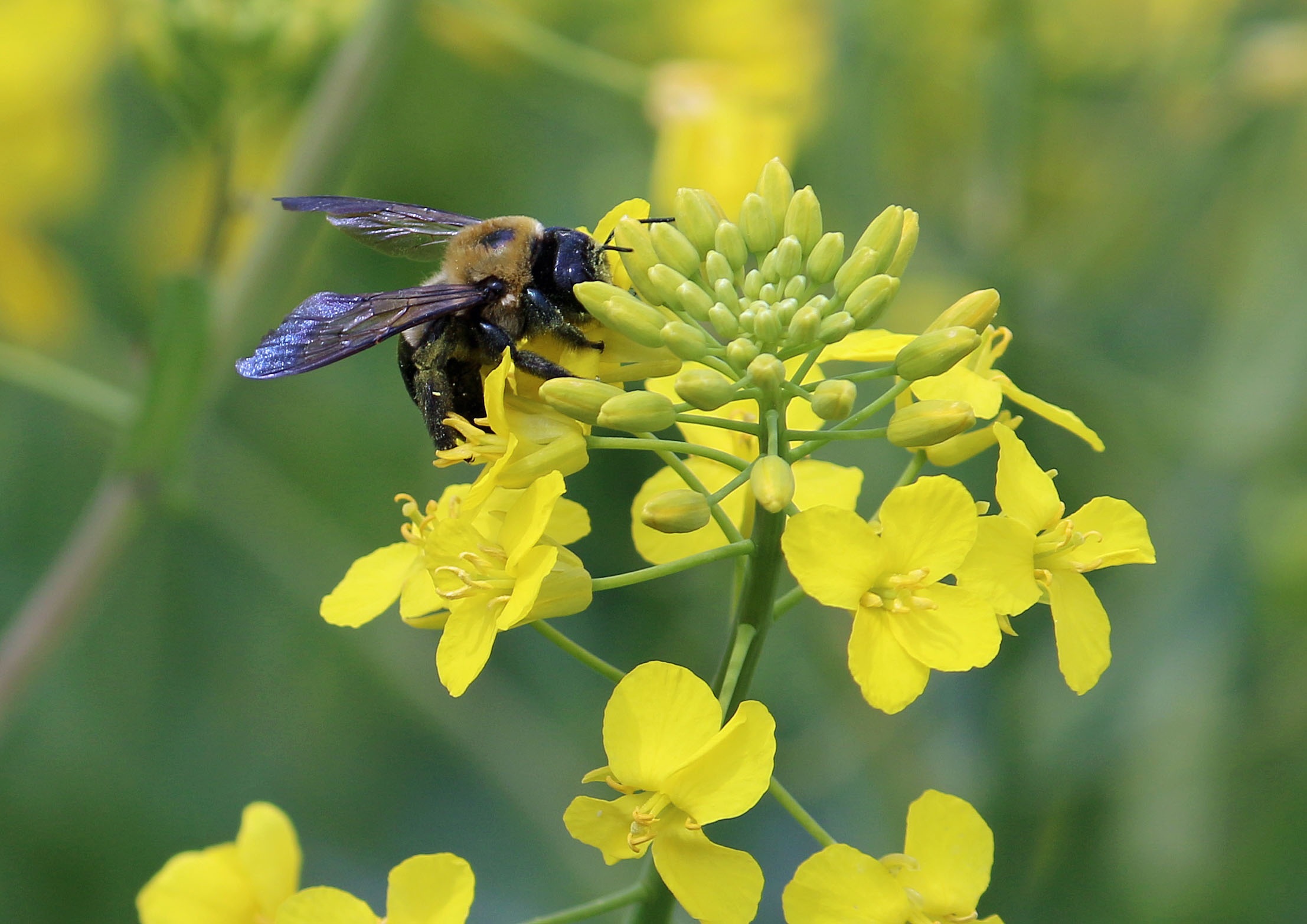
The single most reliable timing signal for harvesting canola honey in Alberta is watching the canola fields near your apiary. When you see yellow petals beginning to fall from flowers and green seed pods becoming visible — begin your harvest preparations immediately. From petal drop to crystallization risk in the comb is often less than 2 weeks in Alberta’s warm summer conditions.
Essential Equipment for Harvesting Canola Honey in the Prairies
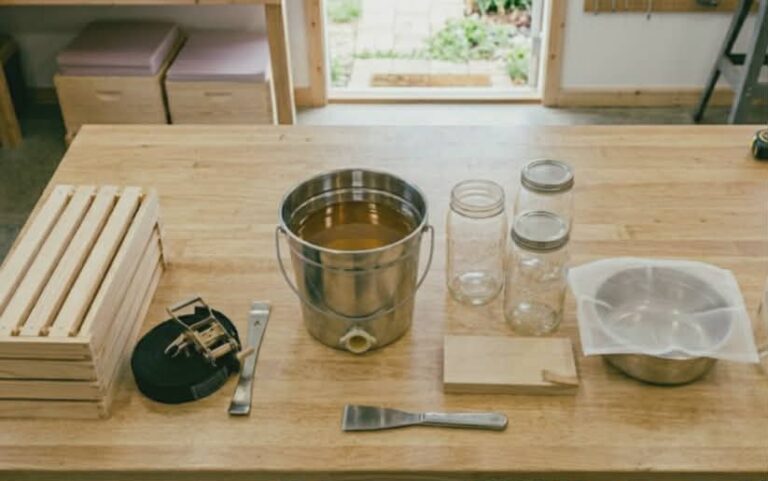
Harvesting canola honey in Alberta requires specific equipment that can handle the unique challenges of this honey — particularly its rapid crystallization and the speed at which large quantities must be processed during the narrow harvest window. Every piece of equipment listed below should be ready and tested before harvest day.
Extractor Size — Getting the Right Capacity for Alberta Canola
For Alberta canola honey harvesting, extractor size matters more than for any other honey type because of the crystallization timeline. A small 2-frame manual extractor may be adequate for a hobbyist with 2-3 hives, but anyone with 5+ hives should seriously consider a 4-frame or larger radial extractor. The goal is to extract all frames from all hives within 48-72 hours — if it takes longer, early-extracted honey may already be beginning to set while you’re still processing later frames.
Step-by-Step Guide to Harvesting Canola Honey Before It Crystallizes
Harvesting canola honey before it crystallizes is the central challenge of Alberta beekeeping. The following step-by-step guide is optimized for the narrow harvest window that Alberta conditions create — speed and correct technique at every stage are essential.
Place a bee escape board under each honey super you plan to harvest 24 hours before extraction. The one-way escape allows bees to leave the super but not return — producing a virtually bee-free super by the following morning. This eliminates the need to brush or blow bees off frames on harvest day, saving significant time during the critical crystallization window.
Ensure no gaps exist between the escape board and hive body that bees could use to re-enter the super. Check the following morning — if the super is not clear, you may have a gap or a defective escape board.
Before removing a single frame, use your honey refractometer to check moisture content on 2-3 uncapped or partially capped cells from different areas of the super. Canola honey is safe to harvest at 17.5% moisture or below — below 18% is the generally accepted Canadian standard. At 18.6% or above, the honey will ferment in the jar.
If moisture reads above 17.5%, you have two options: wait another 2-3 days if weather permits, or accept the elevated moisture risk and plan to sell or consume the harvest quickly without long-term storage.
Canola honey in frames begins crystallizing faster at lower temperatures. Move supers to a warm extraction room — ideally 30-35°C — as quickly as possible after removal from hives. In Alberta’s warm July weather, a sunny extraction room or a room with a space heater maintains ideal temperature. Never store canola honey frames overnight before extracting — even at room temperature, crystallization in uncapped cells can begin within hours of removal from the warm hive.
Use an electric uncapping knife at full temperature to slice cappings cleanly from both sides of each frame. Move consistently and quickly — uncap directly over your uncapping tray or tank. Canola honey cappings are typically firmer than other honey types due to its high glucose content, so a fully heated knife is important for clean, efficient uncapping.
Use an uncapping fork or roller for any sunken or irregular cells missed by the knife. Work in batches — uncap several frames and load them directly into the extractor before returning to uncap more, keeping the process continuous.
Load uncapped frames into the extractor immediately and begin spinning. For a radial extractor, start at low speed to prevent comb blowout, then increase to full speed for 2-3 minutes. A tangential extractor requires spinning one side partially, reversing frames, and spinning the second side — this takes longer and is less ideal for the canola harvest timeline.
Keep the room warm throughout extraction — if extracted honey cools too quickly in the settling tank, it becomes difficult to filter and settle before crystallization begins. Aim to complete full extraction within one day if possible.
Pass extracted honey through your double strainer directly into the settling tank while it is still warm from the hive and extraction process. Canola honey filtered while warm passes through mesh easily. Canola honey that has cooled even slightly becomes significantly more viscous and takes much longer to filter — do not allow it to cool before filtering is complete.
Critical Warning — Never Leave Canola Frames Overnight Before Extracting
Canola honey can begin crystallizing in uncapped cells in warm rooms within 12-24 hours of removal from the hive. Leaving supers in an extraction room overnight before processing can result in frames with partially crystallized honey the following morning — dramatically harder to extract and potentially ruining the frames. Always extract the same day supers are removed from hives. If you cannot extract the same day, return the supers to the hives overnight until you are ready.
Tips for Storing and Settling Your Alberta Canola Harvest
Storing and settling Alberta canola honey requires understanding that this honey will crystallize — the question is not whether it will set, but whether it will set in a controlled way that produces the premium fine-grained white canola honey Alberta is famous for, or in an uncontrolled way that produces coarse, grainy crystals.
Settling Canola Honey After Extraction
Allow extracted canola honey to settle in your tank for 24-48 hours at 30-35°C before bottling. During this settling period, air bubbles incorporated during extraction rise to the surface and can be skimmed off, and any fine wax particles float to the top for removal. This produces cleaner, more visually appealing honey without requiring additional filtering that might remove beneficial pollen and enzymes.
Controlled Crystallization — The Alberta Standard
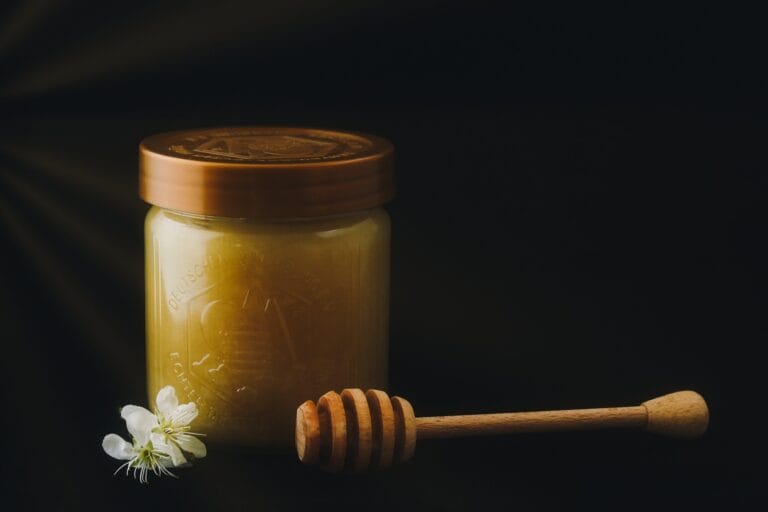
Premium Alberta canola honey is sold in its crystallized state — smooth, creamy white, and spreadable like butter. To achieve this fine-grained texture rather than coarse crystallization, the technique is seeded crystallization: after bottling, add approximately 5-10% by weight of previously crystallized fine-grained canola honey (seed honey) to your fresh liquid canola honey and stir thoroughly. Then store at 14°C. The seed crystals act as nucleation points that produce many small, fine crystals rather than a few large coarse ones. This is standard practice among Alberta commercial honey producers.
Alberta Canola Honey — Premium Creamed Honey
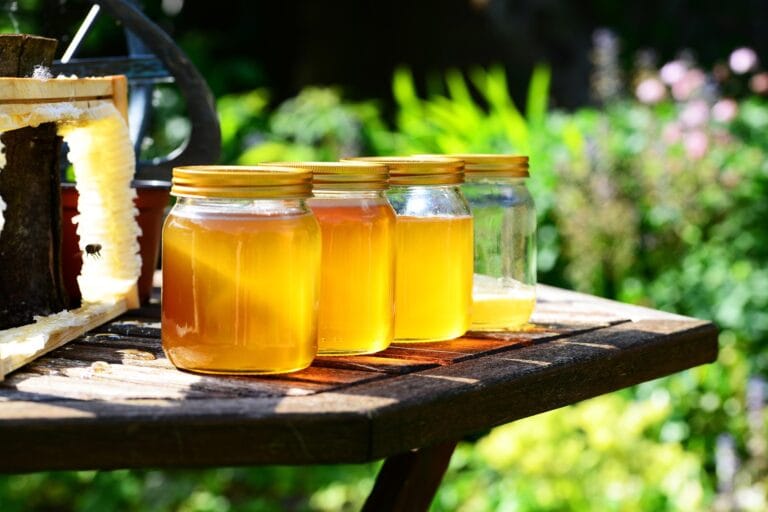
Fine-grained crystallized canola honey is the basis for creamed honey — one of Alberta’s most popular premium honey products. After seeded crystallization at 14°C, the honey can be stirred regularly during the setting process to produce an exceptionally smooth, spreadable texture. Creamed canola honey from Alberta commands premium prices at farmers markets, specialty food stores, and online — typically $10-$20 CAD per 500g jar compared to $7-$12 for liquid varieties.
Understanding Canola Honey Crystallization — What’s Normal
Canola honey crystallizes faster than virtually any other honey type because of its unusually high glucose-to-fructose ratio. Glucose has lower water solubility than fructose and readily forms crystals at room temperature. This is not a sign of poor quality or adulteration — it is a natural and inevitable property of canola honey that Alberta beekeepers must plan for rather than fight against.
Can Crystallized Canola Honey Be Liquified?
Yes — crystallized canola honey can be re-liquified by gentle heating. The key word is gentle: place sealed jars in a warm water bath at no more than 40°C and allow to slowly melt over several hours. Never microwave canola honey — hot spots above 40°C destroy beneficial enzymes and the characteristic delicate flavour of Alberta canola honey. Once re-liquified, canola honey will re-crystallize again within days to weeks at room temperature.
FAQ — Harvesting Canola Honey Alberta Questions & Answers
The best time to harvest canola honey in Alberta is when 80% or more of cells in the honey super are capped AND your refractometer confirms moisture content at 17.5% or below. In most Alberta locations this occurs in mid-July to late July. The most reliable visual cue is watching canola fields near your apiary — when yellow petals begin dropping and green seed pods appear, begin harvest preparations immediately. Do not wait for 100% capping — canola honey crystallizes in the comb quickly after the flow ends.
If canola honey crystallizes in the frames before extraction, your options are limited. Mildly crystallized frames can sometimes be extracted if the extractor and frames are warmed to 35-40°C before spinning — the heat softens the crystals enough for them to be thrown out. Heavily crystallized frames cannot be extracted and must either be placed back on strong hives for the bees to clean out and re-use, or the comb must be cut out and crush-strained. This is why harvesting canola honey promptly in Alberta is so critical — once frames are fully set, significant honey is lost.
Alberta canola honey should be at 17.5% moisture or below before harvesting for safe long-term storage. The Canadian Honey Council recommends 18.6% as the fermentation threshold, but Alberta beekeepers should target 17.5% or lower because canola honey’s crystallization process can concentrate remaining moisture in the liquid phase above safe levels as crystals form. Always check with a calibrated refractometer before harvesting — never assume that capping alone confirms safe moisture content, particularly in a humid Alberta summer.
To produce fine-grained, creamy Alberta canola honey rather than coarse crystals: after extraction and settling at 30-35°C, add 5-10% by weight of fine-grained seed honey to the liquid canola honey and stir thoroughly. Bottle immediately and store at 14°C (a spare refrigerator or cold room). The controlled temperature and seed crystals produce the smooth, spreadable white texture that premium Alberta canola honey is known for. Avoid room temperature storage if texture is important — room temperature produces larger, less uniform crystals.
Harvesting canola honey in Alberta differs from other honey types in three key ways. First, the harvest window is much narrower — canola honey can crystallize in the comb within 1-2 weeks of the flow ending, versus months for clover or wildflower honey. Second, speed is essential throughout extraction — canola honey must be uncapped, extracted, filtered and settled the same day in warm conditions. Third, controlled crystallization is part of the product — Alberta canola honey is often sold and marketed in its crystallized creamed form rather than as liquid honey, requiring additional post-harvest management steps.
Essential Canola Honey Extraction Equipment on Amazon Canada
Final Thoughts on Harvesting Canola Honey in Alberta
Harvesting canola honey in Alberta rewards beekeepers who plan ahead, watch their fields, and move fast. The combination of Alberta’s intense but short canola flow and canola honey’s uniquely rapid crystallization leaves no room for delayed action. Have your extraction equipment cleaned and ready before the flow begins. Check moisture daily with a refractometer as the flow winds down. Extract the same day you remove supers. Settle warm, bottle promptly, and store at 14°C for the smooth, creamy, fine-grained texture that makes Alberta canola honey one of the world’s most distinctive and sought-after honey varieties.
The work is demanding and the timeline is unforgiving — but the result is a premium Canadian honey product that Alberta beekeepers can be justifiably proud of. 🐝🌻🍯🏔️
Questions about your Alberta canola harvest? 🐝
Ask our AI beekeeping assistant — describe your colony strength, location, and current flow status and we’ll advise on harvest timing for your Alberta apiary.
🐝 Ask Bee Now — It’s Free🐝 WiseBee Disclosure
Affiliate Disclosure: This article contains Amazon affiliate links. If you purchase through our links, we earn a small commission at no extra cost to you. Learn more →
Disclaimer: This article is for educational purposes only and does not constitute professional apicultural or veterinary advice. Always consult a qualified beekeeper for guidance specific to your situation. Full disclaimer →