
Starting a Bee Hive in Canada:
How to Start a Beehive — Complete 2026 Guide
📋 In This Article
- Starting a Bee Hive in Canada — What You Need to Know First
- How to Start a Bee Hive — Step by Step
- Bee Hive for Sale in Canada — What to Buy and Where
- How Much Does Starting a Bee Hive Cost in Canada?
- Where to Buy Bees in Canada — Local Suppliers
- Bee Hive for Sale — Ontario & Alberta Suppliers
- Essential Starting Equipment on Amazon Canada
- Next Steps After Starting Your Bee Hive
Starting a bee hive in Canada is one of the most rewarding decisions a hobby farmer, gardener, or nature lover can make. But Canadian beekeeping has a unique set of requirements — from short seasons and cold winters to provincial registration laws — that make it different from beekeeping in warmer climates. This guide walks you through exactly how to start a bee hive in Canada in 2026.
Starting a Bee Hive in Canada — What You Need to Know First
Starting a bee hive in Canada requires more preparation than in warmer countries. Canada’s short beekeeping season — typically 5 months in Ontario and even shorter in Alberta — means every decision you make in spring directly impacts your honey harvest and whether your colony survives the following winter.
Before starting a bee hive, every Canadian beekeeper needs to understand three things: provincial registration requirements, the right time to start, and the minimum equipment needed. Missing any of these can turn an exciting first season into a frustrating and expensive failure.
Register Before You Start — It’s the Law in Canada
Every province requires beekeepers to register their hives. In Ontario, registration is required under the Bees Act through OMAFRA — it’s free and takes 10 minutes online. In Alberta, registration is required annually by June 30 under the Alberta Bee Act. Failing to register can result in fines and prevents you from accessing free provincial apiarist support services. Register before you buy your first hive.
When Is the Right Time to Start a Bee Hive in Canada?
The best time for starting a bee hive in Canada is late April to mid-May in Ontario and late April to early May in Alberta and other prairie provinces. This timing aligns with the first reliable nectar sources — dandelions and fruit blossoms — giving your new colony immediate access to natural forage.
Starting too early (before April 15th) risks cold snaps killing a small new colony. Starting too late (after May 20th) dramatically reduces the time your colony has to build up before the main honey flow and — critically — before they need to build winter stores.
How to Start a Bee Hive — Step by Step
Register with OMAFRA (Ontario), Alberta Agriculture, or your provincial agriculture ministry before purchasing any equipment or bees. Registration is free, typically takes 10 minutes online, and gives you access to free disease inspection services, provincial apiarist support, and legal protection.
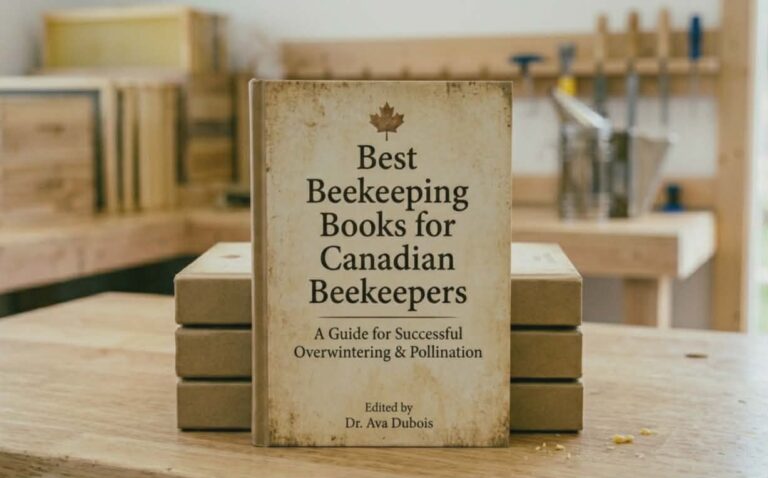
Complete at least one beginner beekeeping course before your first season. The Ontario Beekeepers’ Association (OBA) Technology Transfer Program and the Alberta Beekeepers Commission both offer excellent beginner resources. Local beekeeping clubs run hands-on workshops in spring that are invaluable for first-time beekeepers. A good beekeeping book is also essential — see our Best Beekeeping Books for Canada guide.
The Langstroth hive is the overwhelming choice for Canadian beginners — parts are universally available, local suppliers stock them, and the Canadian beekeeping community is built around this system. A standard setup for starting a bee hive in Canada includes one brood box (deep), frames with foundation, an inner cover, outer cover, and a bottom board.
For colder regions of Canada — northern Ontario, Alberta, and further north — a polystyrene insulated hive (like Apimaye) offers superior winter survival but at higher upfront cost.
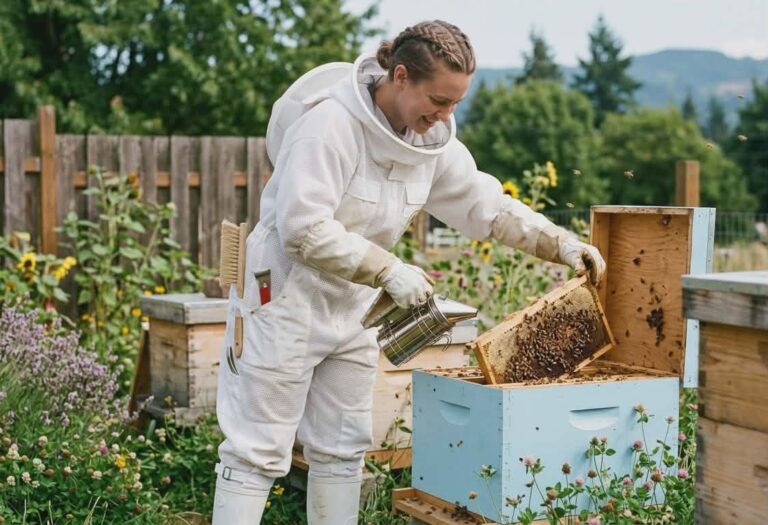
Never start a bee hive without proper protective equipment. Canadian spring bees — especially in Ontario and Alberta — are defensive after long winter confinement. At minimum you need a full beekeeping suit with integrated veil, leather gloves with long gauntlet cuffs, and a smoker. See our complete Protective Gear Guide for Canadian Beekeepers.
This is the mistake that kills most first-year Canadian beekeeping plans — ordering bees too late. Canadian bee suppliers sell out of packages and nucs every year, often by February or March. If you’re planning to start a bee hive this spring, contact suppliers immediately. A nucleus colony (nuc) is recommended over a package for Canadian beginners — it builds up faster and has a much lower failure rate.
Choose a location that faces south or southeast for maximum winter sun, has a windbreak on the north side, is accessible for inspections, and is away from high-traffic areas. In Ontario, check local municipal bylaws — some municipalities restrict beekeeping or require minimum setback distances from property lines. Set up your hive stand before your bees arrive.
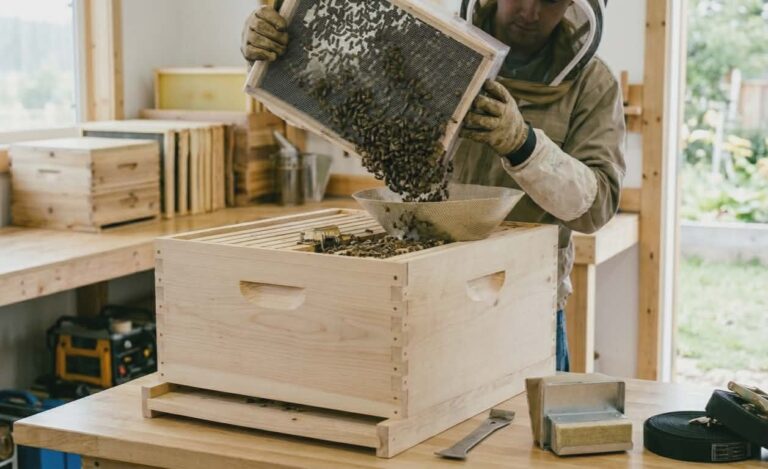
When your bees arrive, install them on a calm afternoon when temperatures are above 13°C. Feed immediately with 1:1 sugar syrup and a pollen substitute patty. Do not open the hive for the first 5 days — this is the most common mistake new Canadian beekeepers make. See our complete step-by-step installation guide linked at the bottom of this article.
Bee Hive for Sale in Canada — What to Buy and Where
Finding a bee hive for sale in Canada is easier than many beginners expect — but quality varies significantly. Canadian beekeepers have three main options when looking for a bee hive for sale: Amazon Canada, local Canadian beekeeping suppliers, and used equipment.
New Bee Hive for Sale — Amazon Canada
Amazon Canada stocks a growing selection of Langstroth hive kits — complete starter setups including brood box, frames, foundation, covers, and bottom board. These are convenient and arrive quickly, but quality varies. Look for hive kits described as “beeswax coated” or “assembled” for the best value. See our Amazon Canada product section below for specific recommendations.
Local Canadian Suppliers for Bee Hive for Sale
Buying a bee hive for sale from a local Canadian supplier has significant advantages — you can inspect the wood quality, get advice specific to your province, and often pick up your hive the same day. Local suppliers also stock Canadian-specific items like Bee Cozy wraps and CFIA-approved treatments that may not be available on Amazon Canada.
Used Bee Hive for Sale — Caution Required
A used bee hive for sale in Canada can save money but carries serious risks. American Foulbrood (AFB) spores survive in wood for decades — equipment from a diseased colony can infect and kill a healthy new colony within months. In Alberta, buying used equipment requires compliance with the Bee Act permit system. Only buy used equipment from a trusted source with a verifiable disease history — never from an unknown seller.
Used Bee Hive for Sale — AFB Risk
Never buy a used bee hive in Canada without knowing its complete disease history. American Foulbrood spores are virtually indestructible and can kill your colony within weeks of installation. If the seller cannot provide a clean disease certificate from a provincial apiarist inspection, walk away — regardless of the price.
How Much Does Starting a Bee Hive Cost in Canada?
| Item | Estimated Cost CAD | Notes |
|---|---|---|
| Langstroth Hive Kit | $80–$160 | Brood box, frames, covers, bottom board |
| Full Beekeeping Suit | $45–$90 | Ventilated mesh recommended for Canada |
| Leather Gloves | $15–$30 | Long gauntlet cuffs essential |
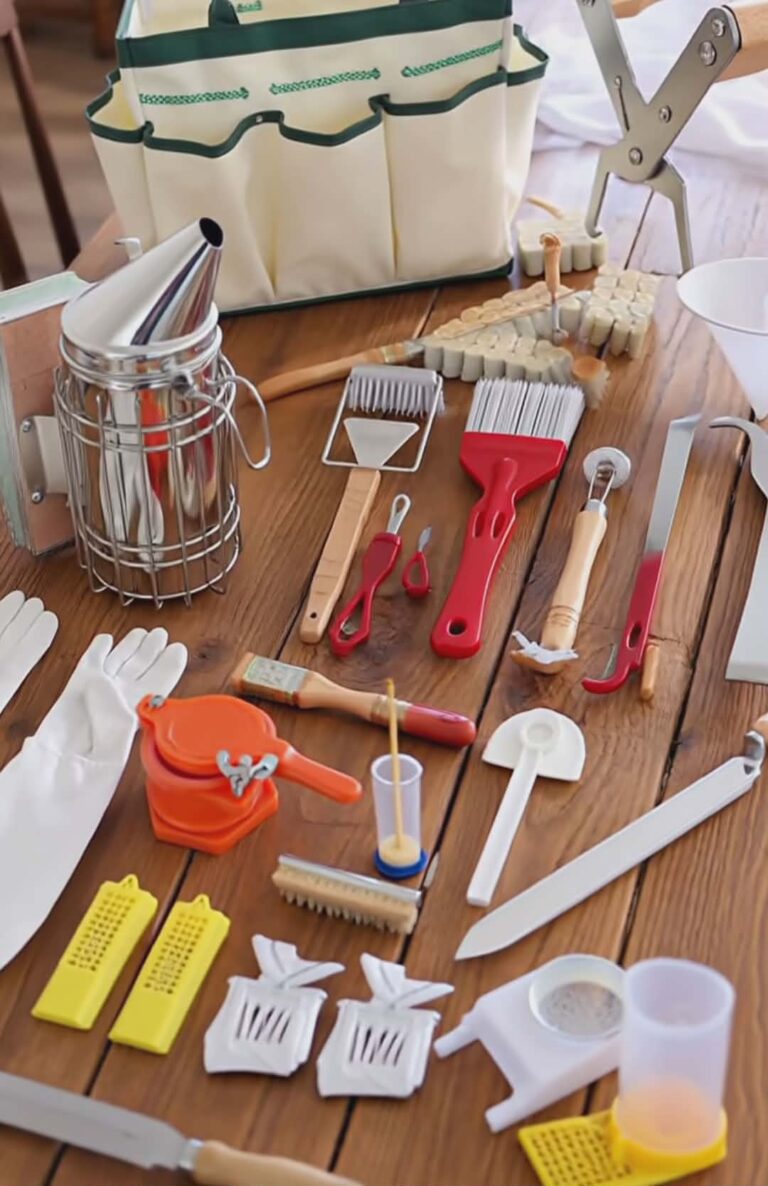
| Bee Smoker | $20–$45 | Stainless steel with heat shield |
| Hive Tool | $8–$18 | Buy two — you will lose one |
| Hive Feeder | $18–$35 | Hive top or frame feeder |
| Mouse Guard | $8–$16 | Essential for Canadian winters |
| Bee Cozy Wrap | $35–$55 | Winter insulation — mandatory in Canada |
| Package Bees or Nuc | $150–$350 | Nuc recommended for beginners |
| Pollen Substitute Patties | $15–$30 | For spring stimulation feeding |
| Total Estimated First Year | $400–$830 CAD | Budget $600 for a comfortable start |
WiseBee Tip: Start with 2 Hives
Experienced Canadian beekeepers universally recommend starting with 2 hives rather than 1. Two hives allow you to compare colonies side by side, borrow frames to help a struggling hive, and have a backup if one fails. The additional cost of a second hive is approximately $200-250 CAD and dramatically increases your chances of a successful first season.
Where to Buy Bees in Canada — Local Suppliers
Finding quality bees when starting a bee hive in Canada is as important as finding the right equipment. Canadian bee suppliers sell out quickly — place your order in January or February for a spring delivery.
Bee Hive for Sale — Ontario & Alberta Suppliers
These Canadian suppliers offer both bee hives for sale and live bees — nucs, packages, and queens — specific to Canadian climate conditions:
WiseBee Tip: Buy Local When Possible
Local Canadian suppliers offer something Amazon cannot — advice specific to your province, your climate, and your local bee population. A conversation with Dancing Bee Equipment about Ontario spring conditions or Worker and Hive about Alberta Chinook management is worth more than any product description. For your first bee hive purchase, visit or call a local supplier if at all possible.
Essential Starting Equipment on Amazon Canada
Next Steps After Starting Your Bee Hive
Buying your first bee hive is just the beginning. The two most critical skills for Canadian beekeepers after starting a bee hive are installing your first package or nuc correctly and staying protected during every inspection. These two guides will walk you through both in detail:
Final Thoughts on Starting a Bee Hive in Canada
Starting a bee hive in Canada is genuinely one of the most rewarding things you can do — but Canada’s short season and cold winters demand more preparation and commitment than beekeeping in warmer climates. The beekeepers who succeed in their first Canadian season are the ones who registered early, ordered bees in January, bought quality protective equipment before their bees arrived, and never skipped a Varroa treatment.
The beekeepers who struggle are the ones who tried to shortcut the preparation. There are no shortcuts in Canadian beekeeping — but there is an incredibly supportive community of experienced beekeepers, excellent local suppliers, and more free provincial resources than almost anywhere else in the world. Use them all. 🐝🍯
Ready to start your first hive? 🐝
Ask our AI beekeeping assistant — tell us your province, your budget, and your situation and we’ll build a personalized starting plan for your Canadian apiary.
🐝 Ask Bee Now — It’s Free🐝 WiseBee Disclosure
Affiliate Disclosure: This article contains Amazon affiliate links. If you purchase through our links, we earn a small commission at no extra cost to you. Learn more →
Disclaimer: This article is for educational purposes only and does not constitute professional apicultural or veterinary advice. Always consult a qualified beekeeper for guidance specific to your situation. Full disclaimer →