Walk-Away Split vs Mated Queen:
Which Is Better for Your Region?
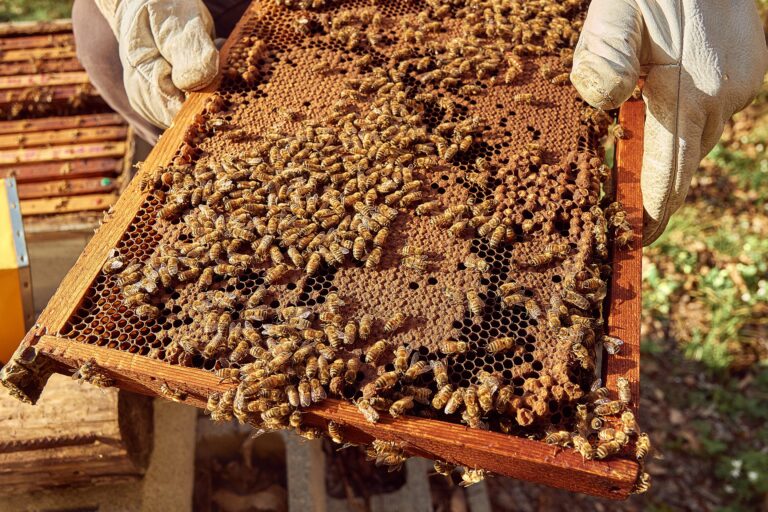
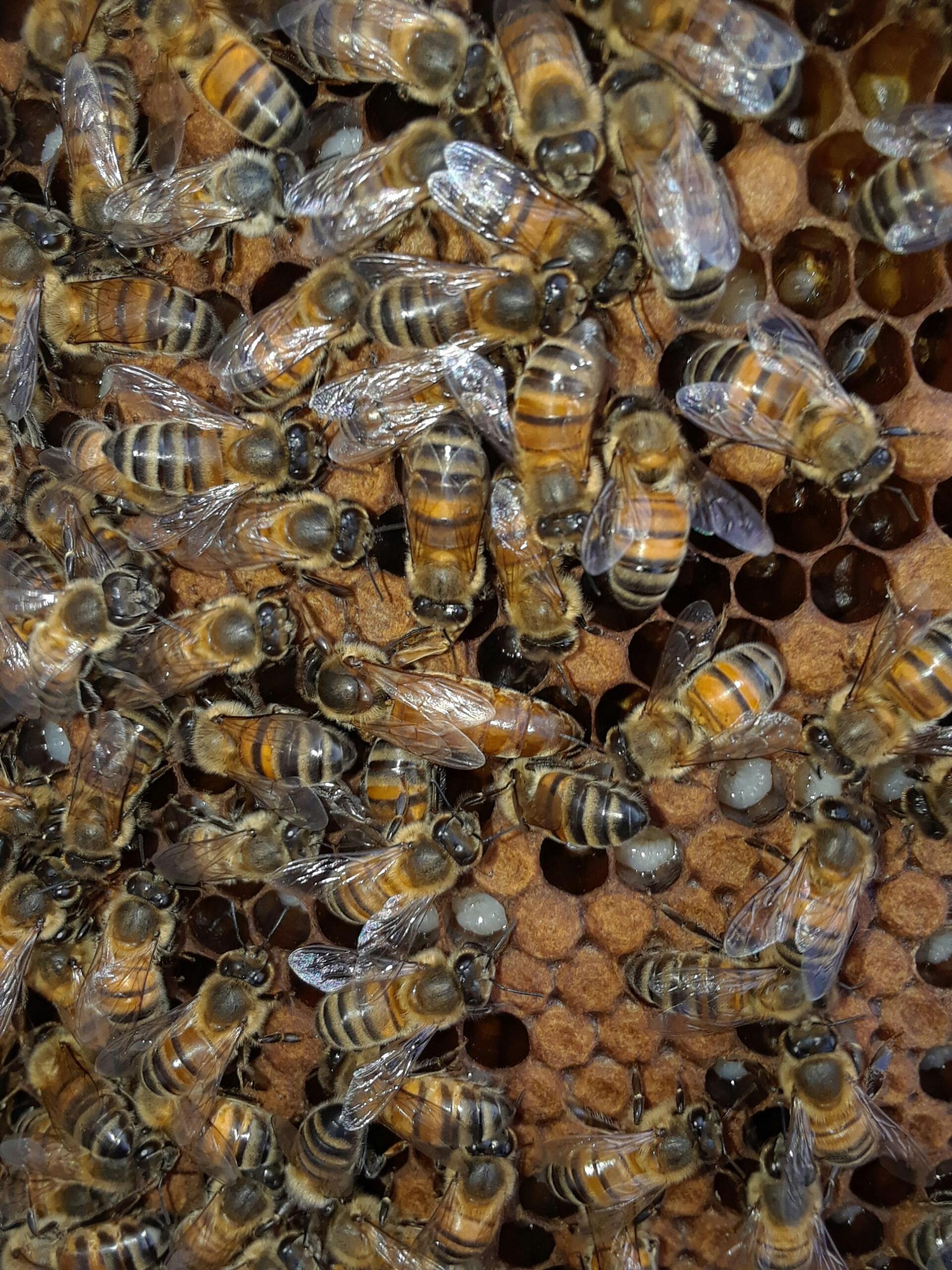
A walk-away split is a beehive division method where the beekeeper divides a colony into two units and simply “walks away” — leaving the queenless half to raise its own new queen from existing brood without further intervention. The name comes from the simplicity of the method: once the split is made, no queen introduction is needed. Bees select a young larva (under 3 days old), build a queen cell around it, and raise a new queen naturally. The process takes 4-6 weeks from split to a fully laying new queen.
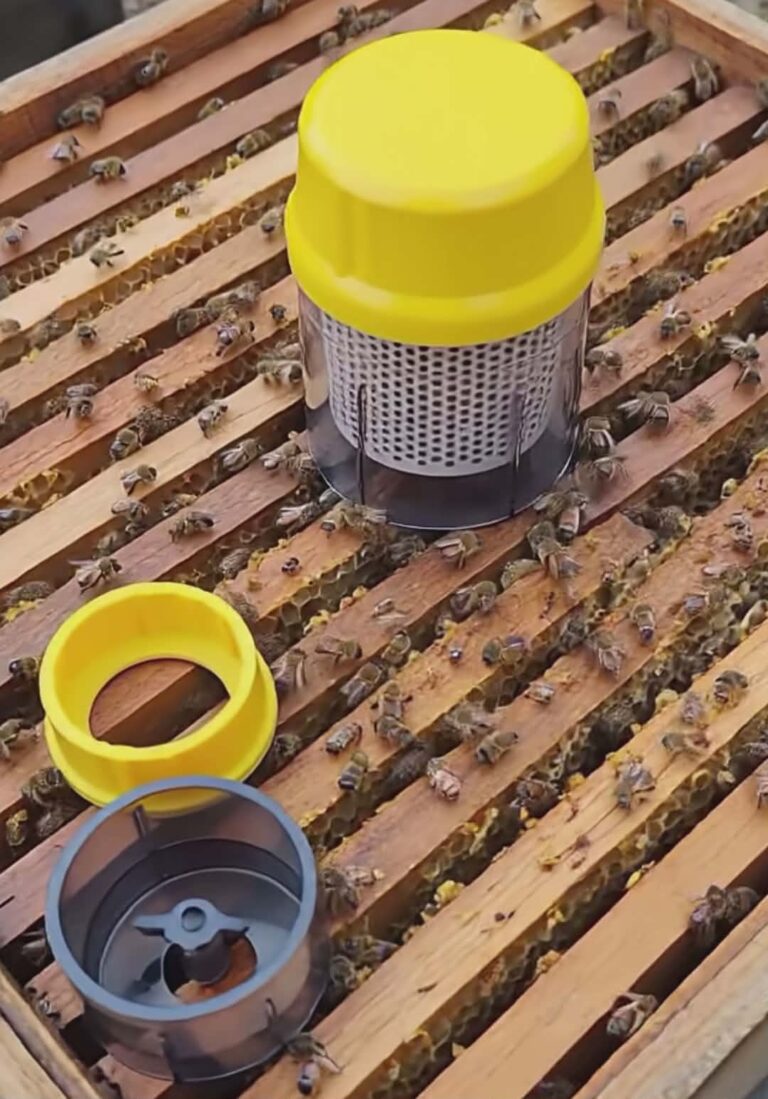
A mated queen bee is a queen that has already completed her mating flights and has been fertilized by 10-15 drones before being sold to beekeepers. She carries enough stored sperm to lay fertilized eggs for 2-4 years. When a mated queen is introduced to a new split colony, she begins laying within 24-48 hours — compared to 4-6 weeks for a walk-away split where bees must raise their own virgin queen, which then needs to mate before laying. Mated queens are purchased from queen breeders and cost approximately $40-$90 CAD in Canada.
A mated queen typically begins laying eggs within 24-48 hours of being released from her introduction cage, assuming she has been accepted by the colony. The first eggs are visible 3-5 days after introduction at the Day 5 inspection. If no eggs are visible by Day 10, the queen has likely been rejected and a new queen must be introduced. A successfully introduced mated queen produces her first capped brood approximately 9 days after introduction, and the first new bees emerge 21 days after her first eggs were laid.
The walk-away split success rate in Ontario conditions is approximately 75-85% when splits are made correctly — when the queenless half contains eggs and young larvae under 3 days old for queen rearing, and when the split is made in warm conditions (above 18°C) with adequate weather for queen mating flights. In Alberta, the success rate drops to 65-75% due to cold June nights that risk queen mating flights and the compressed season that leaves little time for failed attempts. The main failure causes are: no young enough larvae for queen rearing, poor mating weather, and laying worker development before the new queen emerges.
To do a walk-away split on a beehive: (1) Confirm the parent colony covers at least 8 frames and has eggs and young larvae present. (2) Find the queen and move her with 3-4 frames of brood, bees, and food to a new box — this is the queen-right half. (3) Leave the original hive with the remaining bees, brood frames containing eggs, and food — this is the walk-away half. (4) Move one box at least 3 metres from the original location. (5) Install a frame feeder with 1:1 syrup and a pollen patty in the queenless half. (6) Do not open the queenless half for 10-12 days — check then for capped queen cells. (7) Confirm a laying queen at Day 21-25 by finding eggs.
To introduce a mated queen to a split: (1) Remove all queen cells from the queenless split — any remaining cells will cause rejection of the introduced queen. (2) Place the mated queen’s introduction cage (with candy plug intact) between two central brood frames — candy-end up. (3) Do not open the hive for 5 full days. (4) At Day 5, check if the cage is empty — queen has been released. Look for eggs in adjacent cells. (5) If the cage still has candy, leave another 2-3 days. (6) If eggs are visible at Day 5-10, introduction was successful. (7) Do a full inspection at Day 21 to confirm a healthy laying pattern. Never rush introduction — the candy plug slow-release is essential for acceptance.
For Alberta beekeepers, mated queens are strongly preferred over walk-away splits. Alberta’s short season means the 4-6 week delay of a walk-away split is very costly — a split made June 1st with a walk-away won’t have a laying queen until late June or early July, leaving only 8-10 weeks to build winter stores. The same split with a mated queen begins laying June 3rd, giving 12+ weeks of brood production. Additionally, Alberta’s cold June nights (5-8°C) risk failed queen mating flights in walk-away splits. For Alberta splits made after June 7th, mated queens are not just preferred — they are the only responsible choice given the season constraints.
You can buy queen bees in Alberta from registered Alberta queen breeders listed through the Alberta Beekeepers Commission (albertabeekeepers.com). Local Alberta-raised queens are cold-adapted and typically outperform imported BC or California queens in prairie conditions. Alberta queen breeders are concentrated in the Lethbridge, Red Deer, and Peace River areas. Order in February or March for June delivery — Alberta queen breeders sell out quickly. Worker and Hive in Calgary also connects beekeepers with local queen sources. For early-season queens before local breeders are ready, BC suppliers ship mated queens to Alberta in May.
📋 In This Article
- Walk-Away Split vs Mated Queen — The Core Difference
- Head-to-Head Comparison
- Timeline Comparison — Day by Day
- Cost-Benefit Analysis — Is a Mated Queen Worth It?
- How to Do a Walk-Away Split — Step by Step
- How to Introduce a Mated Queen to a Split
- Ontario Verdict — Which Method for Ontario Beekeepers
- Alberta Verdict — Buying Queen Bees Alberta vs Walk-Away
- The Decision Guide — Which Method for Your Situation
The walk-away split vs mated queen debate is one of the most discussed topics in Canadian beekeeping — and the correct answer depends entirely on where you live. Ontario beekeepers have the luxury of choice. Alberta beekeepers, racing against a compressed season and cold June nights, often do not. This guide gives you the complete analysis for both regions so you can make the right decision for your apiary.
Walk-Away Split vs Mated Queen — The Core Difference
The fundamental difference between a walk-away split and a mated queen split is time. A walk-away split relies on the colony’s own biology to produce a new queen — a process that takes 4-6 weeks from split to laying queen. A mated queen split introduces a queen that is already mated and laying — cutting that timeline to 24-48 hours.
- Cost: $0 — no queen purchase
- Time to laying queen: 4-6 weeks
- Success rate Ontario: 80-85%
- Success rate Alberta: 65-75%
- Queen adaptation: local genetics
- Beekeeper skill needed: moderate
- Best timing: May–early June Ontario
- Alberta viability: June 1-7 only
- Main risk: mating weather, timing
- Cost: $40-$90 CAD per queen
- Time to laying queen: 24-48 hours
- Success rate Ontario: 85-95%
- Success rate Alberta: 85-95%
- Queen adaptation: depends on source
- Beekeeper skill needed: basic
- Best timing: any point in split window
- Alberta viability: entire June window
- Main risk: queen rejection (5-15%)
Timeline Comparison — Walk-Away Split vs Mated Queen Day by Day
The 3-4 Week Advantage of Mated Queens
A mated queen split made June 1st has forager bees working the canola flow by July 24th. A walk-away split made the same day has foragers working the flow around August 14th — after the canola peak in most Alberta locations. In Ontario, this difference translates to 3-4 additional weeks of clover and wildflower honey production. The mated queen’s cost pays for itself in additional honey production within a single season.
Cost-Benefit Analysis — Is a Mated Queen Worth It in Canada?
The cost-benefit analysis for walk-away split vs mated queen in Canada looks different from warmer climates because the value of time in a short Canadian season is significantly higher than the queen purchase price.
When the full cost analysis is done — including the value of 4-6 weeks of lost production during the Canadian nectar season — a walk-away split is not as free as it appears. The mated queen’s price premium is largely offset by additional honey production and significantly higher success rates, particularly in Alberta.
How to Do a Walk-Away Split — Step by Step
How to Introduce a Mated Queen to a Split
Ontario Verdict — Which Method for Ontario Beekeepers
- Long season allows 4-6 week queen rearing
- Ontario summer nights warm enough for reliable mating
- Free — saves $40-90 per split
- Local genetics — bees adapted to Ontario conditions
- Best for splits made before June 10th
- Must confirm young larvae present before splitting
- Required for splits after June 10th in Ontario
- Higher success rate in all conditions
- Captures more of clover and wildflower flows
- Eliminates mating weather uncertainty
- Essential for mid-June swarm prevention splits
- Worth the cost when season time is limited
Ontario recommendation: Use walk-away splits for planned expansion splits made in May and early June when you have time and brood conditions are right. Switch to mated queens for reactive swarm prevention splits in mid-June or when timing is tight. Ontario’s season is forgiving enough for both methods — the choice depends on timing and your specific goals.
Alberta Verdict — Buying Queen Bees Alberta vs Walk-Away
- Only viable in the first week of June
- Cold Alberta nights risk failed mating flights
- 4-6 week delay costs canola flow production
- Success rate 65-75% — lower than Ontario
- After June 7th: not recommended in Alberta
- Failure means combining or losing bees
- Standard practice for Alberta commercial beekeepers
- Entire June window viable with mated queens
- No cold-night mating flight risk
- Captures canola flow from early July
- Order from Alberta breeders in February-March
- Local Alberta queens cold-adapted and productive
Alberta recommendation: Buy mated queens from registered Alberta breeders for all June splits. Order in February or March — Alberta queen breeders sell out quickly. Local Alberta-raised queens consistently outperform imported BC or California queens in prairie conditions and are available from the Alberta Beekeepers Commission breeder list.
Where to Buy Queen Bees in Alberta
Contact the Alberta Beekeepers Commission albertabeekeepers.com for a current list of registered Alberta queen breeders. workerandhive.com in Calgary and dancingbeeequipment.com also connect Alberta beekeepers with local queen sources. Order in February for June availability — do not wait until May when most breeders are already sold out for the season.
The Decision Guide — Walk-Away Split vs Mated Queen for Your Situation
Choose mated queen if: You are in Alberta at any point in June, splitting after June 10th anywhere in Canada, swarm prevention is urgent, you want maximum success rate, or time is more valuable than queen cost.
Final Thoughts — Walk-Away Split vs Mated Queen
The walk-away split vs mated queen debate has a clear regional answer for Canadian beekeepers. In Ontario, walk-away splits are a perfectly valid and cost-effective tool for experienced beekeepers who time them correctly and have the season to absorb the 4-6 week delay. In Alberta, mated queens are not a luxury — they are a practical necessity for any split made after the first week of June.
Understanding the true cost of each method — including the value of lost production time during Canada’s short nectar season — changes the calculation significantly. A mated queen that costs $60 CAD but produces an additional 3kg of canola or clover honey has already paid for itself. Order your queens early, know your region’s constraints, and choose the method that gives your new colony the best chance of surviving its first Canadian winter. 🐝👑🍯🇨🇦
Questions about walk-away vs mated queen? 🐝
Ask our AI beekeeping assistant — describe your location, timing, and colony situation and we’ll recommend the right split method for your Canadian apiary.
🐝 Ask Bee Now — It’s Free🐝 WiseBee Disclosure
Affiliate Disclosure: This article contains Amazon affiliate links. If you purchase through our links, we earn a small commission at no extra cost to you. Learn more →
Disclaimer: This article is for educational purposes only and does not constitute professional apicultural or veterinary advice. Always consult a qualified beekeeper for guidance specific to your situation. Full disclaimer →